




Metrology Glossary: Surface Roughness
What Is Surface Roughness?
Surface roughness refers to the quantification of small deviations and irregularities present on a surface, typically resulting from the methods used during manufacturing, such as cutting, grinding, or casting. The degree of smoothness of a surface is inversely proportional to its surface roughness; smoother surfaces exhibit lower levels of roughness. The significance of surface roughness lies in its potential impact on the functionality of a component. For instance, a rough surface may generate greater friction, contributing to increased wear and tear. Additionally, a rough surface can be harder to clean, potentially leading to contamination concerns.
Why Is Surface Roughness Important?
Engineering and Manufacturing:
- Wear and Tear Prediction: Surface roughness is vital in estimating wear between surfaces due to friction. Engineers use roughness measurements to optimize materials and manufacturing processes, enhancing product durability.
- Lubrication efficiency: Surfaces with irregularities can effectively trap lubricants, impacting the performance and longevity of components such as bearings. This consideration guides decisions in selecting materials and manufacturing methods.
- Sealing Effectiveness: Surface roughness impacts the sealing capacity of components like gaskets, influencing leak prevention and fluid control.
- Adhesion and Bonding Enhancement: Rough surfaces provide more area for adhesives and coatings, strengthening material bonding.
- Quality Assurance: Surface roughness measurement is a standard in quality control, ensuring components meet specified standards.
Biomedical Applications:
- Implant Interaction: Implant surface roughness influences compatibility with tissues, affecting biocompatibility and infection susceptibility.
- Drug Delivery Optimization: Irregular surfaces enhance drug absorption in applications like skin patches, improving transdermal drug delivery efficiency.
- Cell Culture Manipulation: Tailored surface roughness guides cell growth and differentiation, crucial in tissue engineering and regenerative medicine.
Related Terms
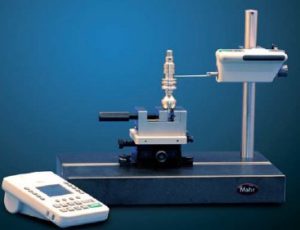
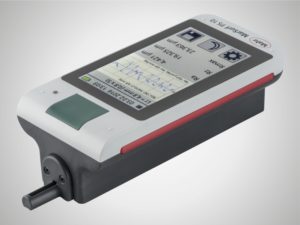
A roughness tester is a precision instrument used to evaluate the texture of a surface, determining whether it is rough or smooth....
A hardness tester is an instrument designed to gauge a material's ability to withstand permanent deformation....
A surface plate, a tool used in precision engineering, is a solid and flat slab that serves as a fundamental reference plane for exacting tasks such as inspection, precise marking,...
Products and Services
Further Reading
When making the decision to use external inspection services or purchase inspection equipment, there are a number of expenses to consider. We want to help you walk through the process so you can make an informed decision.
November 22, 2021