


Metrology Glossary: Servo
What Is A Servo?
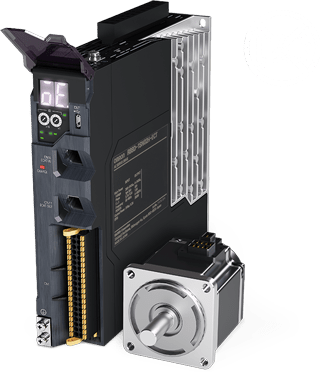
A servo, short for “servomechanism,” serves as a sophisticated feedback control system integral in numerous applications to achieve precise control over the position of a mechanical system. This mechanism operates through a calibrated potentiometer, a specialized variable resistor, and a wiper arm. The potentiometer is intricately linked to the wiper arm, responsible for gauging the potentiometer’s resistance as it moves. This resistance modulation plays a crucial role in directly influencing the voltage supplied to the connected motor.
What Are Servos Used For?
- Industrial automation: Servos play a crucial role in orchestrating the precise positioning of diverse components within machinery, managing tasks ranging from controlling assembly lines, packaging lines, and other manufacturing processes.
- Medical devices: Servos find application in certain medical devices requiring exact positioning and control, such as robotic surgery arms and systems facilitating precise drug delivery.
- Fluid control: Servos prove instrumental in regulating the flow of fluids by overseeing valves and pumps, ensuring precise control over fluid dynamics.
- Temperature control: Servos are employed to adjust the positioning of dampers and vents, enabling precise control over the temperature in diverse environments.
- Solar panels: Servos are used to dynamically track the sun’s movement, adeptly adjusting the angle of solar panels to optimize energy generation.
Related Terms
A resistor is an electrical component within electronic circuits that serves the purpose of impeding the flow of electric current....
A panel meter is a device engineered for the precise measurement and visual representation of various physical parameters, including voltage, current, temperature, or pressure....
A flow meter is a specialized device designed to gauge the volume or mass of a liquid or gas as it traverses a channel or pipeline....
Further Reading
A common trend in the industrial automation and robotics industries is looking for electric alternatives to pneumatic components. What is the benefit of switching from pneumatic to electromechanical actuators? Take a look at our top 5 benefits to see why it might be right for your operation.
February 24, 2021
Why use a linear shaft motor instead of a U-shaped linear servo motor? With an independent review of energy efficiency, this article discusses the benefits of using linear shaft motors in place of linear servo motors.
February 24, 2021
It is most likely the goal of every company to have Smarter Machines. But what is a “Smart Machine?” Ask 100 people that question and you will probably get 100 different answers. In my opinion the definition of a Smart Machine is pretty simple
October 24, 2019