

Metrology Glossary: Bottle Cap Tester

What Is A Bottle Cap Tester?

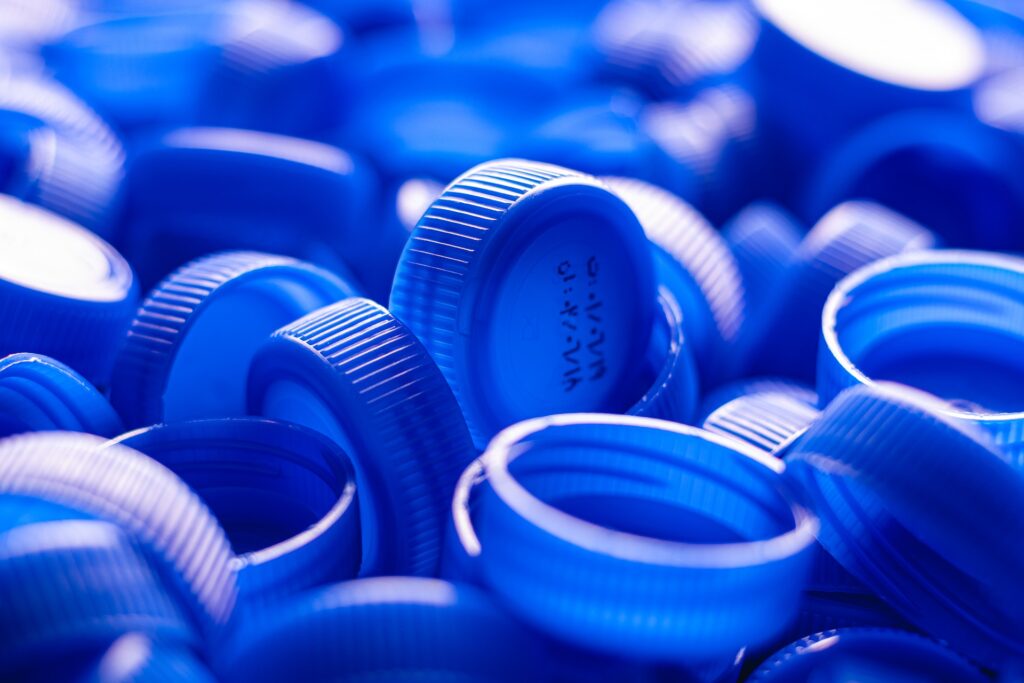
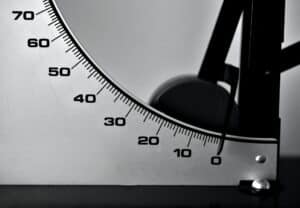
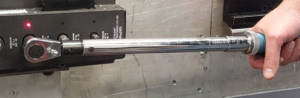
A bottle cap tester is a tool used for gauging the rotational force needed to remove a bottle cap from a container. Manufacturers utilize this device to verify that their bottle caps are fastened with accurate torque, a measure that reduces risk of leaks and unauthorized access. Additionally, the tester serves to assess the quality of bottle caps by quantifying the force necessary for their removal.

What Are Bottle Cap Testers Used For?

Quality Control:

  • Torque Precision Assurance: Manufacturers use bottle cap testers to verify that their caps are applied with precise torque, preventing leaks and upholding product integrity.
  • Strength Evaluation: The tester is capable of measuring the force needed to break a bottle cap, enabling manufacturers to assess the quality and durability of their caps.
  • Cap Design Enhancement: Through thorough analysis of torque data, manufacturers can pinpoint areas for refinement in cap design, resulting in caps that are more user-friendly, secure, or tamper-resistant.

Safety and Security:

  • Tamper-Resistance Validation: Bottle cap testers play a crucial role in ensuring caps are resistant to unauthorized removal, acting as a deterrent against tampering and safeguarding consumers from potentially contaminated products.
  • Child-Proof Packaging Confirmation: In cases where child-resistant packaging is required, bottle cap testers are instrumental in verifying that the caps meet the necessary safety standards.
torque tester for bottle caps

Related Terms

Products and Services

Further Reading

Repair services for torque tools
If you’ve attempted to order new measurement equipment recently you have likely run into long lead times on orders due to the current supply chain issues. If equipment fails before you receive your replacement it can cause significant problems in your manufacturing and quality processes.
March 14, 2022
Cross Logo
Torque Calibration
With a vast array of torque products for nearly unlimited applications, it can be challenging to find the equipment that is right for your needs. Our experts have years of experience working with all types of torque equipment and can explain some of the key differences in the most common
June 15, 2017
Cross Logo

Glossary Tags

Equipment Parts and Components

Browse our Terminology Glossary

#

A

B

C

D

E

F

G

H

I

J

K

L

M

N

O

P

Q

R

S

T

U

V

W

X

Y

Z

See how our team can help improve efficiency, reduce risk, and raise quality in your process.

Contact our Team

"*" indicates required fields

This field is for validation purposes and should be left unchanged.
What can we help you with today?*

Where Can We Send Your Information?

Name*
Company Location*
This field is hidden when viewing the form
Form Type
This field is hidden when viewing the form

Hang Tight! We're Searching... Searching... Searching...

We’re looking through thousands of pages to find the most relevant information.

In the meantime, enjoy these fun facts…

Did you know… Cross Company is an ESOP (Employee Stock Ownership Plan). Our ESOP started in 1979 and as of 2006, we are 100% employee-owned! Learn more about our ESOP and how that benefits both team members and our customers.
Did you know... the precision measurement group at Cross was founded in 1939 by our current CEO's grandfather, Jim King. That's a whole lot of calibration!
Did you know... A fingerprint weighs about 50 micrograms. We know, we weighed it! The residue left from a finger can actually make a difference in weight results which is why we wear gloves when we calibrate weights. For reference, a sheet of paper is about 4.5 grams, that’s 4.5 million micrograms.
Did you know… Cross Company has grown significantly since our start in 1954. Over the years we've acquired 26 companies! Today, our five groups have expertise in everything from industrial automation to precision measurement, and industry knowledge going all the way back to 1939.