
Dräger Gas Detector Tube Measurement

Drager%20Logo.png

From Canaries to Tubes: How and Why Dräger Tubes are the Gold Standard in Gas Measurement

The year 1919 was a good one for canaries: That was when vials containing pumice laced with iodine pentoxide and sulfuric acid replaced the birds as sensors in coal mines. (Whew!). Back then, only carbon monoxide was detectable, but it wouldn’t be long before Dräger-Tubes came along, offering quantitative analysis—identifying a variety of gases—and became the gold standard in gas measurement. Why? Very simply, Dräger-Tubes contain a chemical reagent that changes color when it comes into contact with a gaseous substance (colorimetric). The tubes’ fused ends give them a shelf life of two years and keep the gases contained. A printed scale on the outside of the tube allows for a direct reading of the gas concentration.
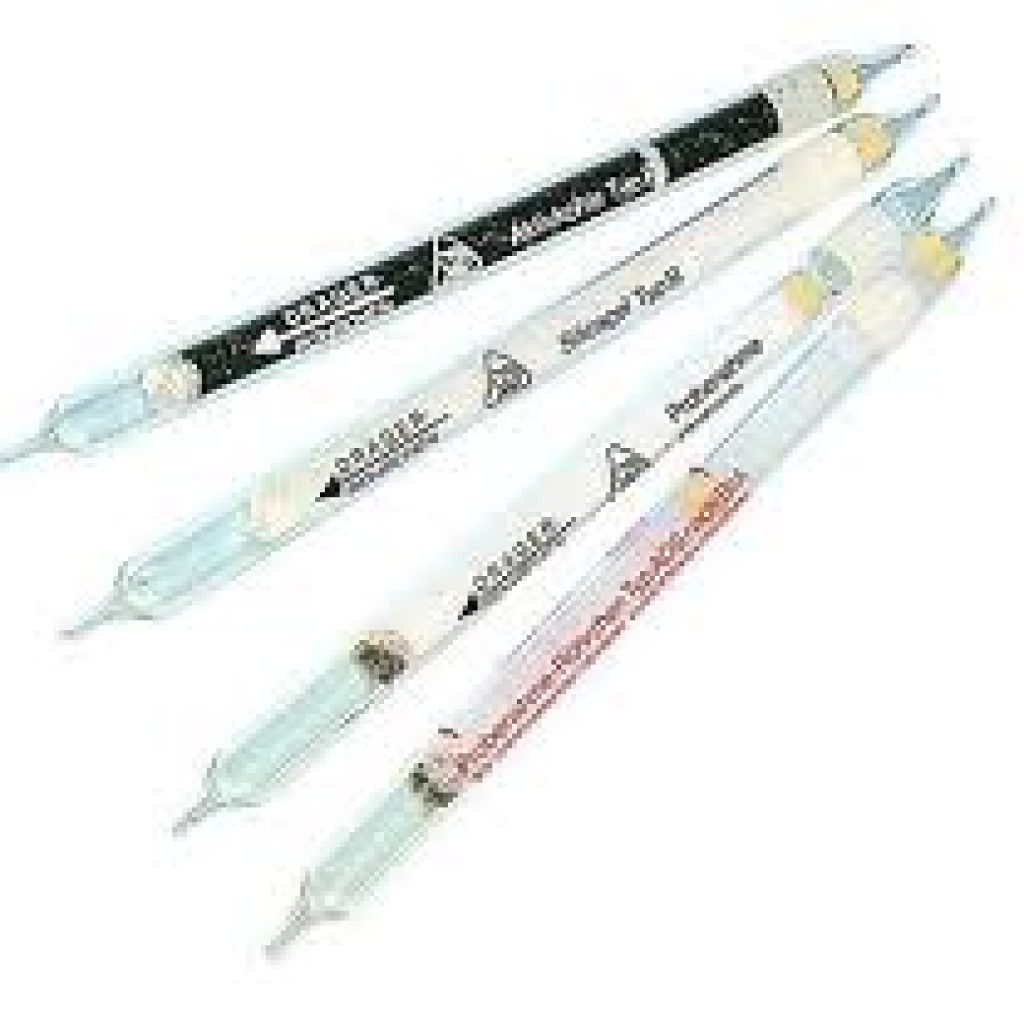
Dräger Gas Detector Tube Measurement 1

Dräger Tubes

How Are Dräger-Tubes Used?

As workplaces became safer, and limits of occupational exposure to gases decreased, Dräger began to develop sensor tubes that have more capability and are more precise. While they once only measured a few gases, they can now measure potentially hundreds of gases to the ppm level.

Today Dräger-Tubes can be used to:

  1. Evaluate the air in a given workplace, by measuring within the range of occupational exposure limit
  2. Take measurements at a precise area of gas emission
  3. Test compressed breathing air (this requires specially calibrated Dräger-Tubes with the Dräger Aerotest)

Short-Term and Long-Term: Which is Which?

Short-Term Tubes

Sometimes you need a quick confirmation of a gas emission without an elaborate analysis. Maybe there’s a leak at a specific site or an unusual fluctuation of gases in your work environment. Or perhaps you need to measure contaminants in your co-workers’ breathing zone. Or, if you’re working in a tight space, such as a grain silo, a tank or sewer, you might need to make an impromptu check of the surroundings lasting anywhere from 10 seconds to 15 minutes. In any of these situations, a short-term tube would be appropriate. And make sure you use a pump designed to go with a short-term tube, such as:

  • Dräger Accuro gas detector tube pump
  • Dräger Automatic Tube Pump X-Act 5000

Long-Term Tubes

Perhaps you want to take a gas measurement of your workplace over a period of time—maybe for an hour, maybe for eight hours. In that case, Dräger-Diffusion-Tubes can help, because they give an average concentration of gases over the sampling period. They don’t require a pump, because the contaminant molecules go straight into the tube, making them effective personal gas monitors. But if there are too many similar substances, methanol, ethanol and propanol, for example, you would want to send the tube to a lab for a gas chromatograph or photometric analysis. 

You know your workplace best. Knowing the likelihood of which gases might appear and where, will help you choose the appropriate tubes and analytical methods.

Learn more about Dräger solutions at Cross and shop our online store to order a safety equipment today!


Latest Cross Company Updates

Dissolved Air Flotation (DAF) tanks
From municipal facilities to industrial operations, wastewater treatment plays a vital role in public health and environmental protection. These complex systems rely on consistent performance and strict adherence to safety and compliance standards. One of the most overlooked yet critical elements in these systems? Overpressure protection.
October 30, 2026
Steam is an efficient way to transport energy throughout a facility. This energy is then used for a range of purposes, including heat transfer, power generation, mechanical work, sterilization, and humidification in many different industries. Cross partner Azbil’s vortex flow meters make measuring steam flow easy, reliable and cost effective.
October 30, 2026
In the oil and gas industry, keeping solids in suspension while blending various grades of crude oil for proper processing poses significant operational challenges. Traditional methods often require substantial energy inputs, complex equipment
October 30, 2026
Waste water, often called process water, is a by-product within all chemical, refining, pharmaceutical, and food industries. EPA regulations mandate that all water returning to or interacting with the environment be safe and consistent with the water found naturally within the area.
October 30, 2026
Extrusion Burst Plug
In plastic and rubber extrusion, pressure is everything. It’s what allows polymer melt to be shaped, controlled, and delivered with precision. But when pressure moves outside its normal operating window, whether due to a blocked die, a screen pack issue, material inconsistency, or a downstream restriction, the results can be
October 30, 2026
safety relief valve before calibration
Valve automation allows remote operation or position indication of valves within a process. Instead of requiring manual adjustment, automation improves operational efficiency with quicker, more accurate valve action
October 30, 2026
Cross Logo

Contact our Team

"*" indicates required fields

This field is for validation purposes and should be left unchanged.
What can we help you with today?*

Where Can We Send Your Information?

Name*
Company Location*
Form Type

Hang Tight! We're Searching... Searching... Searching...

We’re looking through thousands of pages to find the most relevant information.

In the meantime, enjoy these fun facts…

Did you know… Cross Company is an ESOP (Employee Stock Ownership Plan). Our ESOP started in 1979 and as of 2006, we are 100% employee-owned! Learn more about our ESOP and how that benefits both team members and our customers.
Did you know... the precision measurement group at Cross was founded in 1939 by our current CEO's grandfather, Jim King. That's a whole lot of calibration!
Did you know... A fingerprint weighs about 50 micrograms. We know, we weighed it! The residue left from a finger can actually make a difference in weight results which is why we wear gloves when we calibrate weights. For reference, a sheet of paper is about 4.5 grams, that’s 4.5 million micrograms.
Did you know… Cross Company has grown significantly since our start in 1954. Over the years we've acquired 26 companies! Today, our five groups have expertise in everything from industrial automation to precision measurement, and industry knowledge going all the way back to 1939.