
100% Employee Owned, Founded 1954

- Specialties
- Products
- Services
- Solutions
- Industries
Core Industry Segments
Top Industries Supported
- Brands
- Locations
- Technical Expertise
100% Employee Owned, Founded 1954
Guided wave radar (GWR) and ultrasonic level transmitters have become indispensable tools to many in the process industry. Though both offer accurate and reliable level measurements, they excel in different applications. This makes them valuable assets in various industrial processes.
Guided wave radar (GWR) is ideal for challenging process conditions like high pressure, foam, or turbulent surfaces. Whereas ultrasonic can be better for non-hazardous applications in still environments. Determining the right process instrumentation for your application can be a tricky matter. Which is why it’s so important to work with an experienced process and flow instrumentation provider like Cross Company’s Process Solutions group.
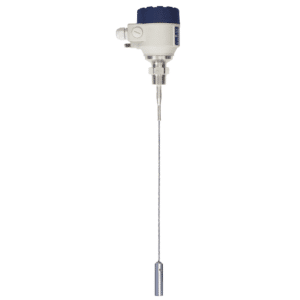
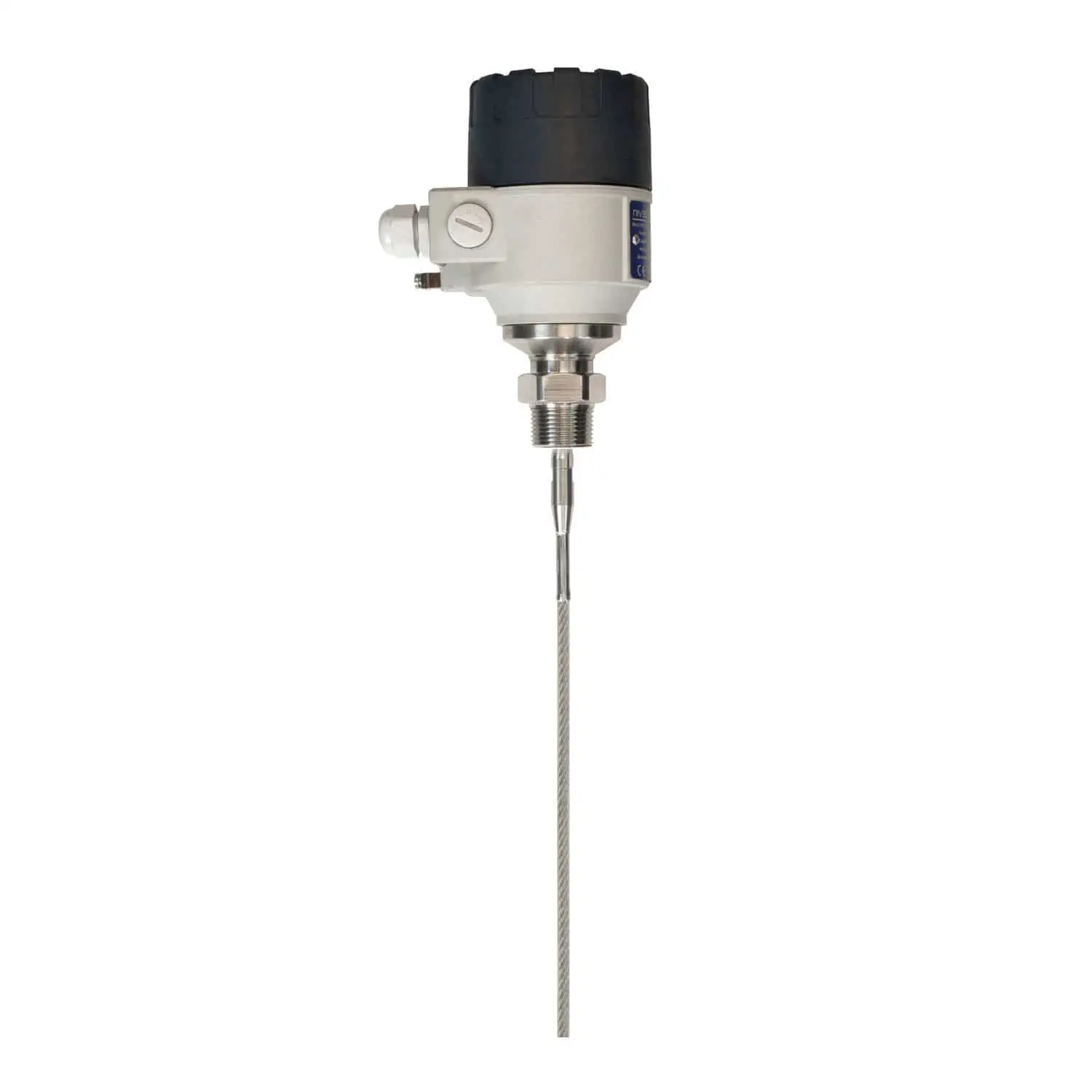
Guided wave radar level transmitters operate by sending micropulses along a probe guide at incredibly fast rates. As soon as the pulse reaches the surface of the medium, it is reflected back to the electronic module. Level distance is directly proportional to the flight time of the pulse.
The technology (called Time Domain Reflectometry) is unaffected by the properties of the medium or the space above it. It is also not affected by any physical changes in the medium, like temperature and pressure.
Industries where guided wave radar level transmitters are used include
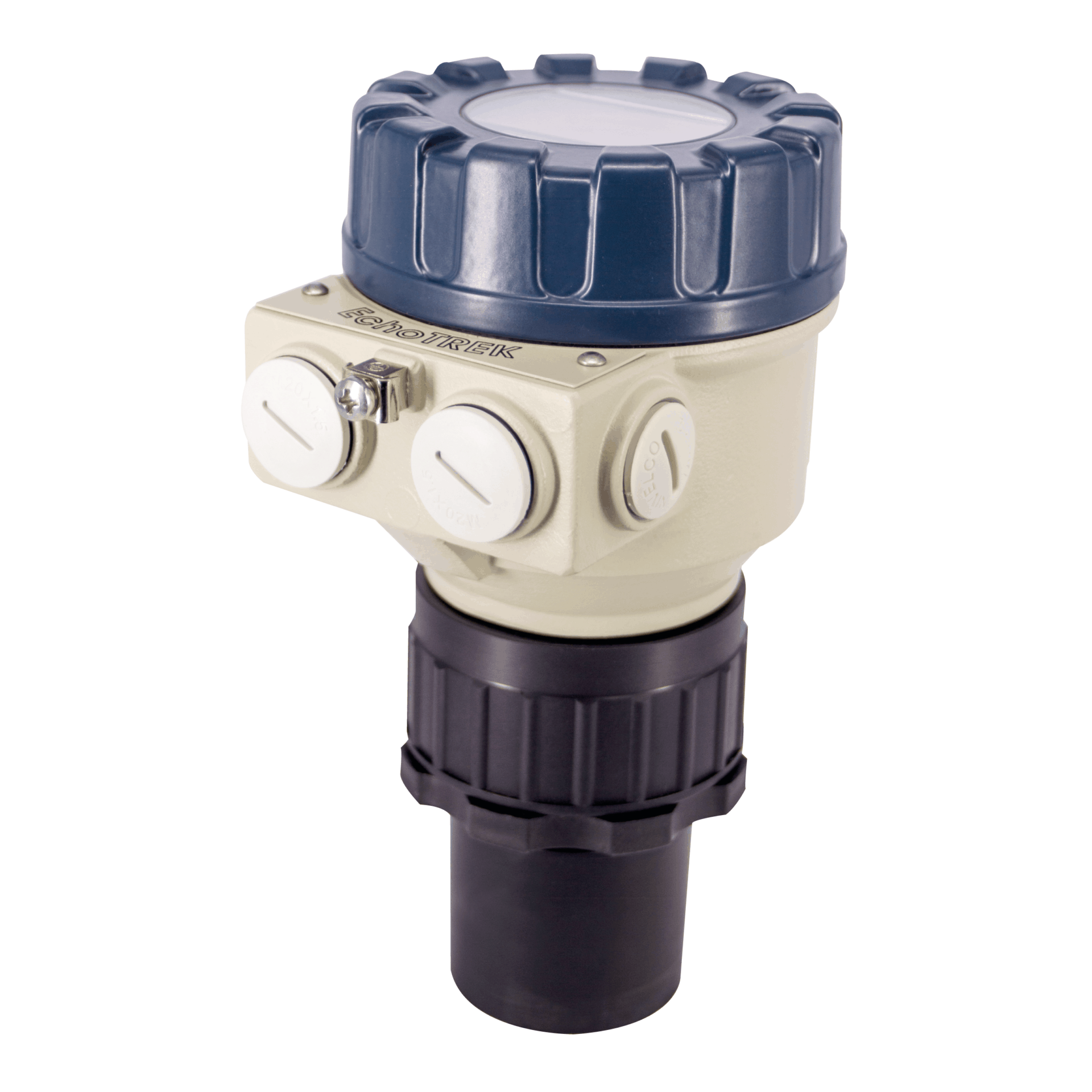
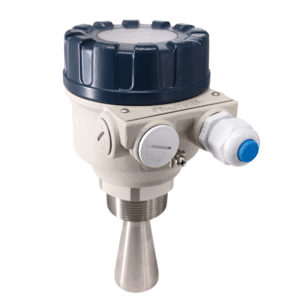
Ultrasonic level transmitters can be used to provide continuous, non-contact level measurement for liquids and solids. They measure the time required for ultrasound pulses to cover the distance from the sensor to the level to be measured and back. The echoes bounce back from the surface of the medium and reach the sensor surface after the time of flight of the ultrasonic impulse. The time of flight of the reflected signal is measured, processed and converted to distance, level, volume or flow proportional data.
Ultrasonic liquid level transmitters can be used with any water-based medium, as well as hydrocarbons, acids and aggressive liquids. Ultrasonics for solid level measurement can be used for a wide range of solids from light powders to coarse bulk materials.
Industries where ultrasonic level transmitters are used include:
GWR level transmitters are able to withstand factors like temperature, pressure, vapor, or foam, ensuring reliable readings in diverse applications. They can also be used to measure a variety of liquids, including oil and gas, chemical, water treatment applications, and pharmaceuticals. These level transmitters offer non-contact level measurement, eliminating the need for direct contact with the process material. This feature ensures hygienic and safe operations, making them ideal for applications where cleanliness is critical.
Ultrasonic level transmitters are a non-intrusive level measurement device, relying on sound waves to measure the level of the process material. This is ideal for applications where direct contact is undesirable. Ultrasonic level transmitters can be used in a wide range of industries and applications, including water and wastewater treatment, tank level monitoring, and bulk material handling.
Whether it’s monitoring liquid levels in tanks, ensuring proper flow rates, or maintaining optimized operations, accurate level measurement is crucial for a wide range of industrial facilities and other process applications. Process level measurement plays a vital role in optimizing production, enhancing product quality, and maintaining compliance with industry regulations.
When it comes to something as important as level measurement equipment, it’s critical to partner with a company who understands the needs of your industry and your process. With our extensive industry experience and industry-leading technical expertise, Cross is a reliable partner for anyone looking for high-quality, reliable process equipment, instrumentation, or other flow measurement devices.
At Cross, we offer much more than just guided wave radar and ultrasonic level transmitters. We can also provide the solutions our process manufacturing partners need to succeed. Check out our other process solutions equipment and see for yourself.
"*" indicates required fields
We’re looking through thousands of pages to find the most relevant information.
In the meantime, enjoy these fun facts…