



Automation Glossary: Actuator
What Is An Actuator?
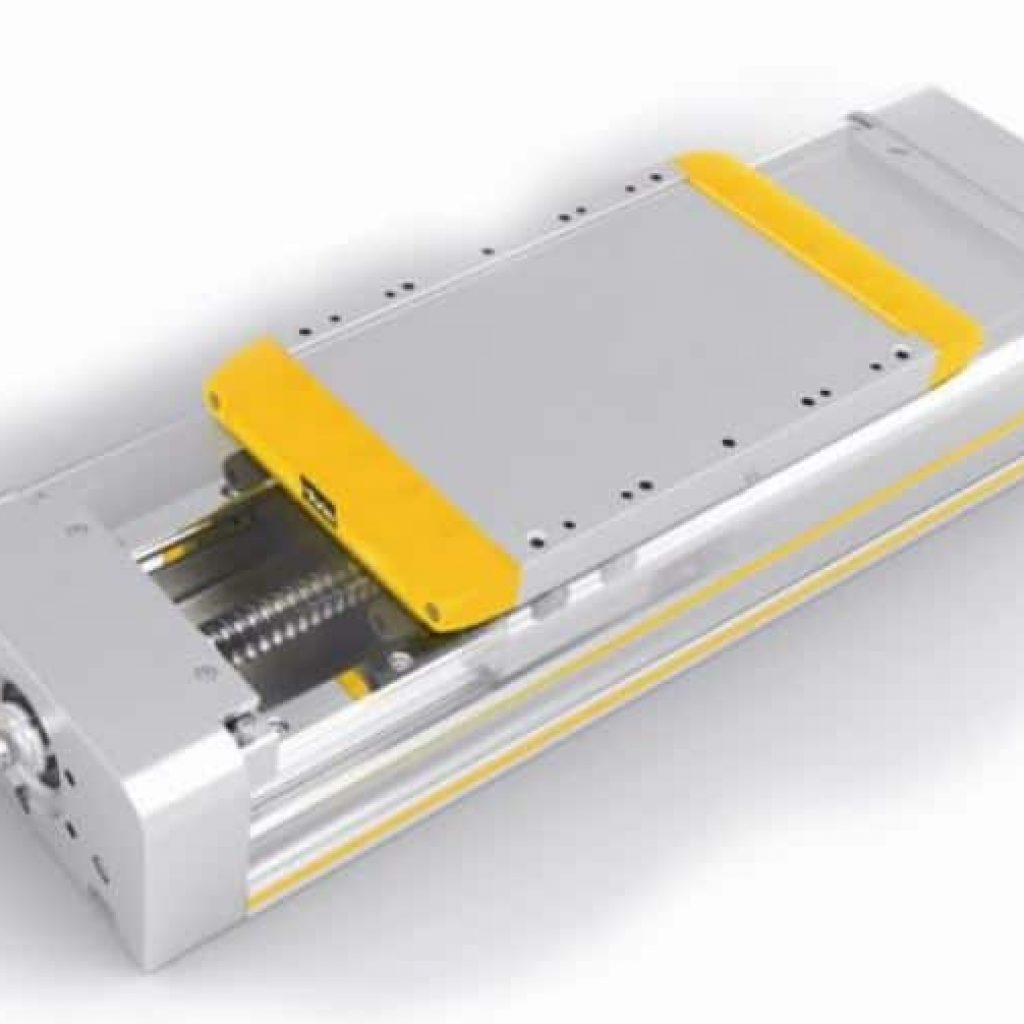
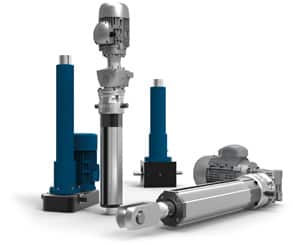
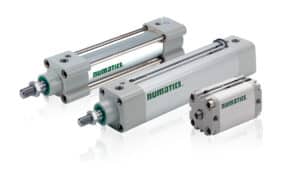
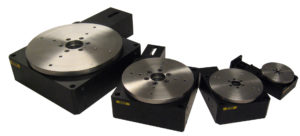
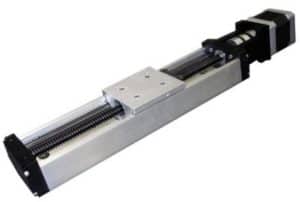
An actuator is a device that converts energy from forms such as electrical, hydraulic, or pneumatic into controlled mechanical motion. It plays a crucial role in enabling movement and control within various systems and mechanisms. By transforming the energy it receives, an actuator facilitates precise motion and positioning, which is essential in applications such as industrial machinery, robotics, and automotive systems. Actuators are often used for their ability to accurately respond to control signals for automated processes, ensuring efficient and reliable operation of mechanical devices and systems across multiple industries.
What Are Actuators Used For?
- Robotics: Actuators are used to automate assembly lines with precise robotic arm movements, handle materials efficiently with grippers and conveyors, and perform machine tending tasks like loading and tool changes.
- Machine Tools: Actuators enable high-precision CNC machining, control press brakes for accurate metal bending, and position lathes for precise turning and drilling.
- Assembly & Packaging: Actuators help to ensure consistent torque for screwdriving, manage precise dispensing of adhesives and lubricants, and power mechanisms for efficient sealing, labeling, and packaging.
- Material Handling: Actuators control conveyor systems for smooth transport, power robotic arms for pallet handling, and guide AGVs for autonomous movement.
- Process Control: Actuators regulate fluid flow through valves, maintain temperature settings, and manage system pressure for safety and efficiency.
Related Terms
Occupancy detection within vehicles is a technological system engineered to determine the presence and number of individuals inside a vehicle....
A tensile tester is a device designed to quantify the tensile strength of substances, representing the maximum force a material can endure before fracturing under tension....
Further Reading
A common trend in the industrial automation and robotics industries is looking for electric alternatives to pneumatic components. What is the benefit of switching from pneumatic to electromechanical actuators? Take a look at our top 5 benefits to see why it might be right for your operation.
February 24, 2021
As the trend toward electrification of mobile equipment accelerates, it is becoming increasingly apparent that simply looking at the power rating of the current Internal Combustion Engine (ICE) and using that to assume battery power requirements is not enough.
September 27, 2022