When looking at the true cost of equipment ownership there are many factors to take into consideration. Throughout this series of articles, we are taking a look at these factors and how they pertain to equipment such as scales and weighing systems. With over 75 years of experience in calibration and repair, at Cross, we’ve seen it all. In this article, we’ll break down equipment repair, and talk about the point at which it’s more cost effective to replace equipment.
Equipment Repair & Replacement
So, you’ve got the right equipment for your application, laid out an ideal preventative maintenance and calibration plan to improve the longevity of your equipment, and now you’re ready to roll. However, there’s still one more thing to think about and that’s the inevitable equipment repair. Eventually, (even if it’s 10 years down the road) some form of repair is unavoidable and that repair can be costly.
There are a few types of cost to consider when it comes to equipment repair. First and foremost is the hit to production if there isn’t a backup. Not having a backup can be detrimental in fast-paced production environments so it’s always a good idea to have multiple units in place or at least a backup ready to go. Some processes can lose out on thousands of dollars a day or even an hour when a line is down. And hastily purchasing a replacement is not always the best solution!
The availability of replacement parts is another big factor. Sometimes parts and components for equipment are unavailable or have a long lead time. This forces you to either play the waiting game, or in many cases make the move to quickly purchase new equipment. Don’t get caught hastily purchasing a substandard replacement!
When initially purchasing equipment, it’s a good idea to research what parts are available and even order replacement parts for any common malfunctions. For example, purchasing an extra load cell for a scale that may be subject to overload can reduce repair time significantly. This is something Cross will advise on if purchasing with our team.
The cost of those parts and the time involved with repair are also big considerations. You can easily spend more on a repair than just replacing equipment all together. If the cost of a replacement part is high enough, or the repair time involved drives up the expenses, there’s going to be a threshold which is crossed. Another thing to consider is that multiple repairs (even if they are small and relatively inexpensive) can eat away and eventually become a factor in crossing that financial threshold.
To Repair or Replace? THAT is the Question.
Understanding the true cost of equipment ownership helps us with purchasing decisions, operation procedures, and preventative maintenance measures, but as mentioned above there will inevitably be a time when it is necessary to replace equipment all together. After all, you can only repair certain items so many times before they need to be replaced, and looking at the cost of all those repairs can help determine how close you are getting to that threshold.
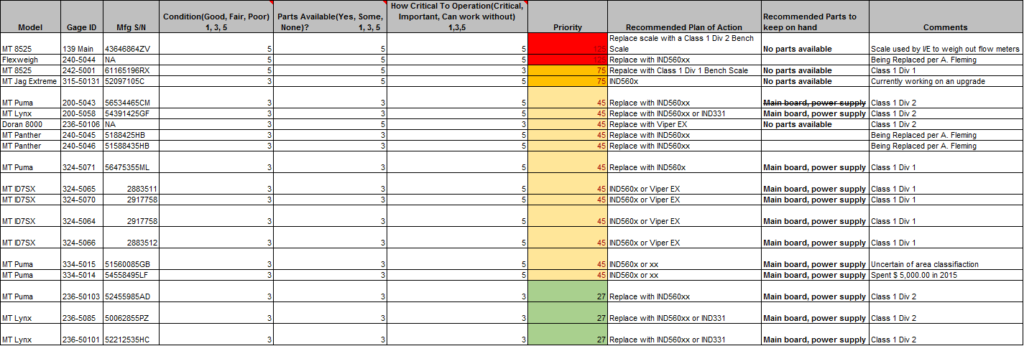
Cross is here to help. Enter: our risk reduction matrix. Developed by Cross, this matrix was created to determine at what point it becomes more beneficial to replace your equipment rather than make a repair. More importantly, this matrix will help determine at what point it becomes critical to replace equipment. Looking into replacement cost, the frequency of use or importance of the equipment, and the availability of replacement parts, our matrix can help determine that unique threshold.
The Bottom Line
While upfront cost for better quality equipment may be higher, you’ll likely pay more for cheaper equipment in the long run. Take note of your equipment and its usage throughout its life cycle, keep tabs on repair options, and make the most out of your equipment while avoiding unnecessary expenses.
Learn more about our Risk Reduction Matrix and let Cross reduce the risk involved with your equipment ownership. Contact a representative in your area by filling out our contact form!
Check out the other articles in this series:
The Total Cost of Equipment Ownership: Initial Expense and Why it Matters in the Long Term